Introduction
The University of Pennsylvania (Penn), founded in 1740 by Benjamin Franklin, is an Ivy League research university located in Philadelphia, Pennsylvania. Penn is distinctive among Ivy League schools for its strong emphasis on interdisciplinary education and professional programs, particularly through the Wharton School, one of the world's premier business schools. With an endowment of approximately $21 billion, Penn combines a liberal arts tradition with professional education in business, medicine, law, engineering, and more.
Penn's campus in University City, Philadelphia, offers a traditional college environment within a major American city. The university's commitment to Franklin's practical philosophy is reflected in its emphasis on applying knowledge to real-world problems.
Academics and Programs
Undergraduate Programs
Penn has four undergraduate schools: the College of Arts and Sciences, the School of Engineering and Applied Science, the Wharton School, and the School of Nursing. Students can pursue dual-degree programs across schools, and approximately one-third of students graduate with more than one degree.
The Wharton School's undergraduate program is among the most prestigious business programs in the world, offering concentrations in finance, management, marketing, and other business fields. Popular majors across Penn include Finance, Economics, Nursing, Bioengineering, and Computer Science.
Penn's curriculum emphasizes interdisciplinary study through programs like the Huntsman Program in International Studies and Business, the Jerome Fisher Program in Management and Technology, and the Vagelos Integrated Program in Energy Research.
Graduate Programs
Penn's graduate and professional schools include Wharton (MBA), Penn Medicine, Penn Law, the Graduate School of Education, and the School of Engineering and Applied Science.
Admissions
Penn's acceptance rate is approximately 5.8%. The middle 50% SAT range is 1490-1560. Penn practices need-blind admissions for U.S. citizens and permanent residents but is need-aware for international students. Penn offers Early Decision (binding, November 1) and Regular Decision (January 5).
Tuition and Financial Aid
The cost of attendance for 2024-2025 is approximately $89,040. Penn meets 100% of demonstrated financial need for all admitted students with grant-based aid. Families earning less than $75,000 per year pay nothing.
Campus Life and Student Culture
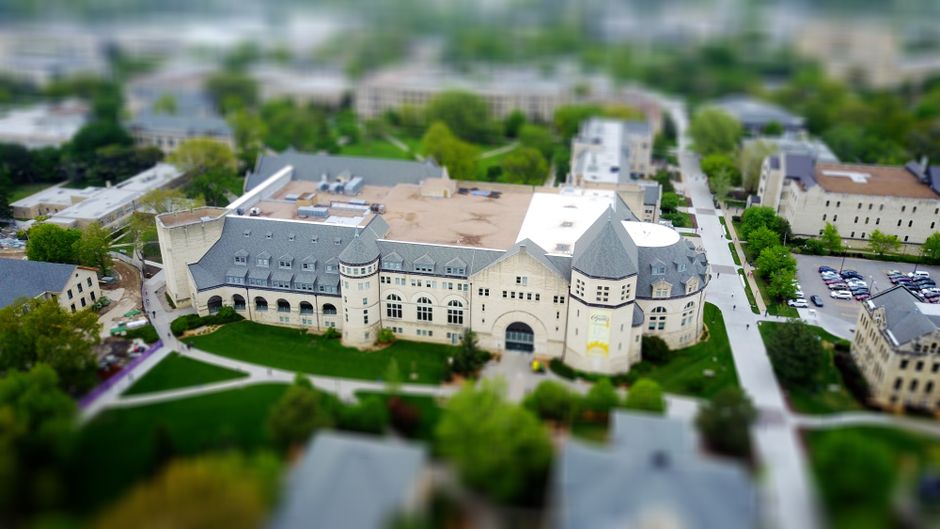
Penn's campus features a mix of historic and modern architecture. The university has over 450 student organizations. Penn is known for its strong Greek life and social scene. Traditions include Spring Fling, a large annual concert. Penn competes in NCAA Division I as part of the Ivy League.
Housing and Accommodation
Penn guarantees housing for freshmen and sophomores. The College House system provides residential communities. Many juniors and seniors live off-campus in surrounding Philadelphia neighborhoods.
International Students
International students make up approximately 13% of Penn's undergraduate population. Penn provides support through the International Student and Scholar Services office.
Career Opportunities and Alumni Network
Penn graduates are highly recruited, particularly in finance, consulting, and technology. Wharton graduates are among the most sought-after business graduates globally. Major employers include Goldman Sachs, McKinsey, Google, and numerous startups. Penn's alumni network includes Elon Musk, Warren Buffett, and Donald Trump.
Pros and Considerations
Advantages include the Wharton School, strong interdisciplinary programs, urban location in Philadelphia, and generous financial aid. Considerations include the competitive and pre-professional culture, need-aware policy for international students, and the sometimes stressful social environment.
Conclusion
The University of Pennsylvania offers a distinctive Ivy League experience that combines liberal arts with professional education. Its Wharton School, interdisciplinary programs, and Philadelphia location make it particularly attractive for students interested in business and professional fields. Prospective applicants should consider whether Penn's pre-professional culture aligns with their goals.